Audio & Microphones: Engineering Clean Sound
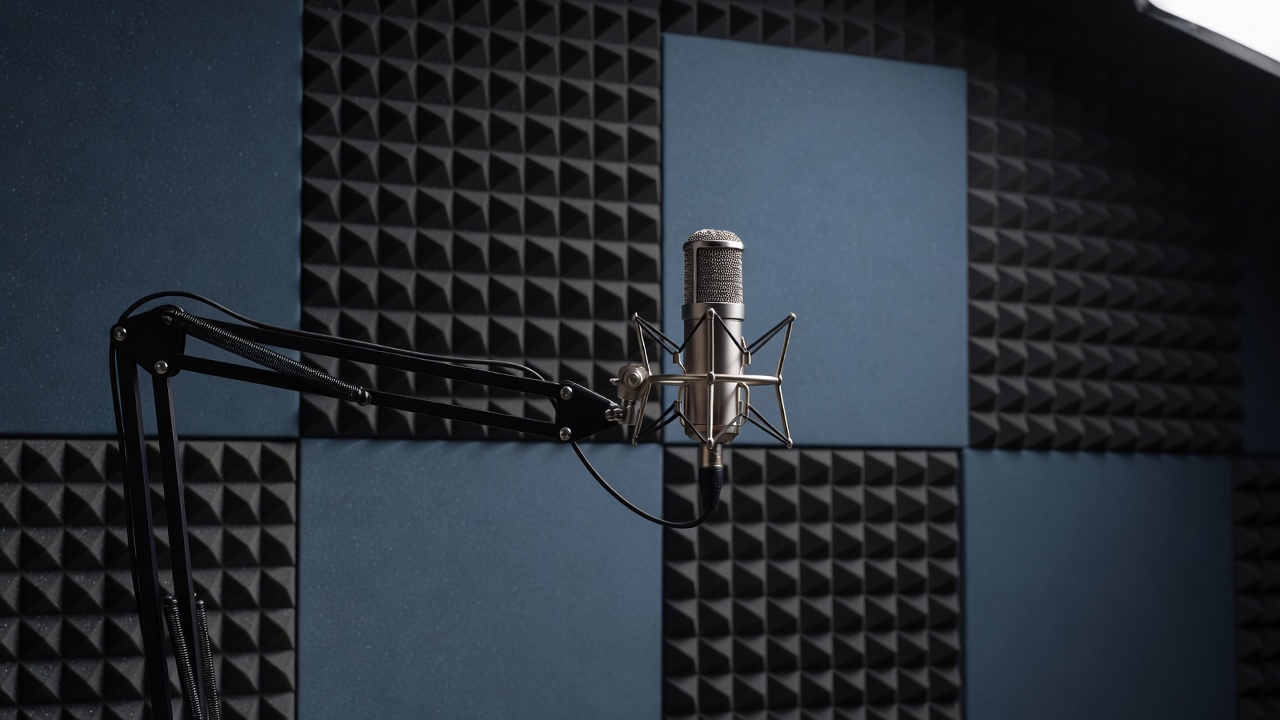
In digital content creation, audio fidelity is paramount. Viewers will tolerate grainy, low-resolution video, but distorted or echoing audio results in immediate audience drop-off. Selecting the right microphone architecture and understanding acoustic treatment are critical engineering steps in building a studio.
Microphone Transducer Types
Microphones convert acoustic energy into electrical energy using different internal mechanisms. The two dominant technologies in creator environments are dynamic and condenser capsules.
Dynamic Microphones
Dynamic microphones operate using electromagnetic induction. Sound waves move a diaphragm attached to a wire coil suspended in a magnetic field, generating a signal. Because the physical coil is relatively heavy, dynamic mics are inherently less sensitive than condensers.
- Pros: Excellent at rejecting background noise and untreated room echoes. Highly durable and capable of handling extremely loud sound sources without distortion.
- Cons: Lacks the pristine, airy high-frequency detail of condensers. Requires a significant amount of gain (amplification) to reach line level.
- Best for: Podcasting, live streaming in untreated rooms, close-proximity voiceover.
Condenser Microphones
Condenser mics use a capacitor design. A thin conductive diaphragm sits millimeters away from a solid backplate. Sound waves change the distance between them, altering the capacitance and creating an electrical signal. This design requires external power (Phantom Power, usually +48V) to polarize the plates.
- Pros: Extremely sensitive with a broad, flat frequency response. Captures the nuance and subtle textures of the human voice perfectly.
- Cons: Highly sensitive to background noise (computer fans, HVAC systems) and room reverberation. Fragile compared to dynamics.
- Best for: Acoustically treated studios, professional voiceover booths, capturing acoustic instruments.
Understanding Polar Patterns
A microphone's polar pattern dictates its directional sensitivity. Choosing the wrong pattern will ruin a recording regardless of the microphone's quality.
Cardioid: Heart-shaped pattern. Highly sensitive directly in front, moderately sensitive on the sides, and completely "deaf" directly behind the mic. This is the standard for solo creators and podcasters.
Supercardioid / Lobar (Shotgun Mics): Extremely narrow forward focus with heavy side rejection. Shotgun mics use an interference tube to cancel out off-axis audio. They are ideal for booming over a subject's head, out of the camera frame, but they can perform poorly in highly reverberant indoor spaces.
Omnidirectional: Captures audio equally from a 360-degree radius. Commonly used in lavalier (lapel) microphones because they maintain consistent volume even if the subject turns their head away from the capsule.
Interfaces and Amplification
Professional XLR microphones output an analog mic-level signal that is far too quiet for a computer to process. An Audio Interface bridges this gap. The interface performs two critical functions:
- Preamplification: Boosting the quiet analog signal to a standard line level. High-quality preamps do this without introducing a high noise floor (electronic hiss).
- Analog-to-Digital Conversion (ADC): Translating the electrical wave into binary data for your software. Look for interfaces offering 24-bit depth and at least a 48kHz sample rate.
The Acoustic Environment
No microphone can entirely fix a bad room. Hard, parallel surfaces (drywall, glass, hardwood floors) cause sound waves to bounce back into the microphone milliseconds after the direct sound, creating reverb (slap echo).
Effective acoustic treatment involves two strategies: Absorption (using dense materials like acoustic panels or thick blankets to absorb mid and high frequencies) and Diffusion (using irregular surfaces to scatter sound waves, preventing standing waves). Before upgrading a microphone, covering a bare wall in front of the speaker with acoustic absorption will yield a more profound improvement in audio quality.