Tripods & Stabilizers: Engineering Camera Movement
Camera support systems are frequently overlooked in the budgeting phase, yet they dictate the structural integrity of your shots. A compromised tripod leads to micro-vibrations that ruin high-resolution footage, and a poorly balanced gimbal results in jarring robotic movements. This guide analyzes the mechanical principles of static and dynamic camera support.
Static Support: Tripod Legs and Materials
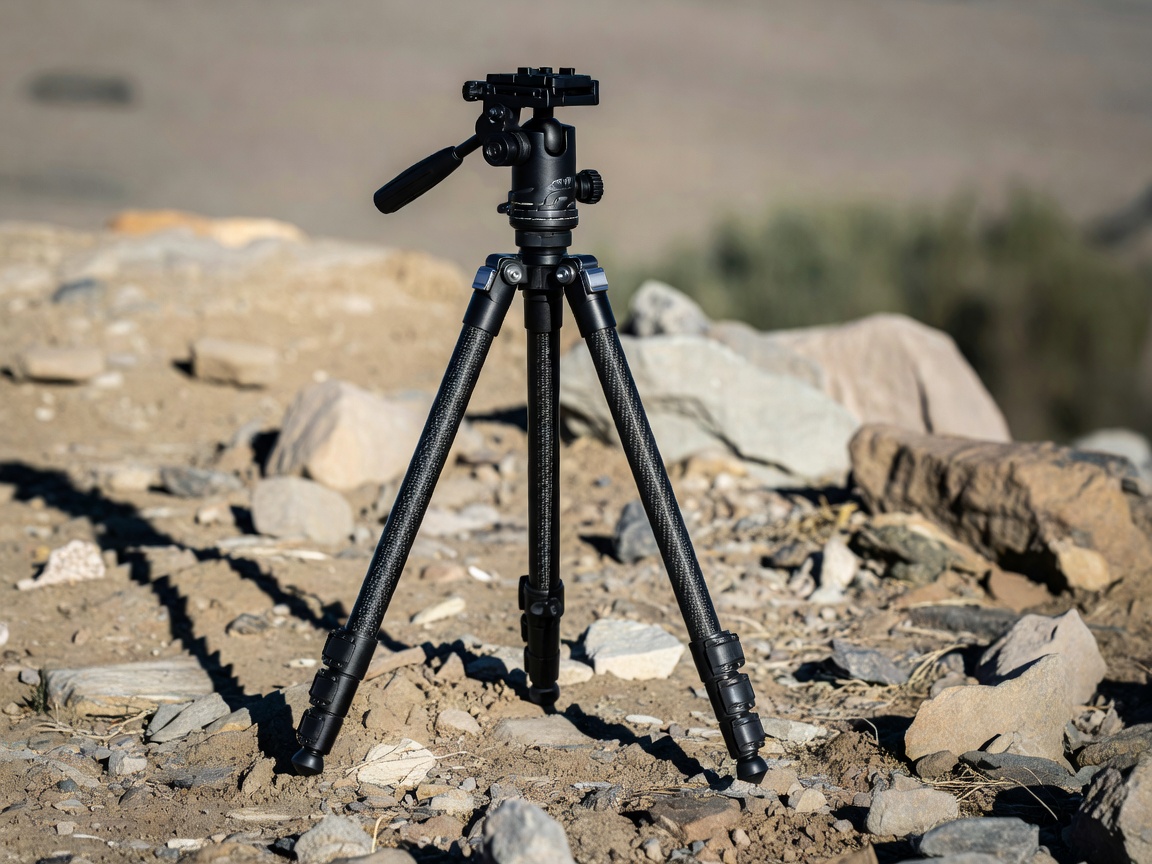
The foundation of static support is the tripod leg system. The material composition of the legs directly affects weight, rigidity, and vibration dampening.
- Aluminum Alloy: Heavy, durable, and cost-effective. Aluminum is structurally sound but transfers kinetic energy (such as a footstep on a wooden floor) up through the legs to the camera relatively easily. Ideal for heavy studio setups where weight is not an issue.
- Carbon Fiber: Constructed from woven carbon fibers bound in resin. It is significantly lighter than aluminum while offering superior torsional rigidity. Crucially, carbon fiber naturally absorbs micro-vibrations, making it superior for telephoto lens work. The downside is cost and extreme-impact brittleness.
Tripod Heads: Friction vs. Fluid
For video production, the tripod head is more important than the legs. The goal is perfectly smooth panning (horizontal) and tilting (vertical) without the static friction that causes a jerky start or stop.
Fluid Heads
True fluid heads utilize sealed cartridges containing a high-viscosity damping fluid (often silicone-based) between the mechanical plates. This fluid creates a consistent, drag-based resistance. When you push the pan bar, the fluid smooths out the acceleration and deceleration. High-end fluid heads offer adjustable drag settings and counterbalance springs to perfectly offset the weight of a leaning camera, allowing it to stay tilted without locking the axes.
Friction / Ball Heads
Common in still photography, ball heads use mechanical friction (usually a clamp tightening around a metal sphere) to lock a camera in place. They are completely unsuited for video work, as it is nearly impossible to execute a smooth, resistance-based movement.
Dynamic Support: 3-Axis Motorized Gimbals
When the camera must detach from the tripod, 3-axis gimbals provide mechanical stabilization. Using internal IMUs (Inertial Measurement Units) containing gyroscopes and accelerometers, the gimbal detects unintentional movement hundreds of times per second and uses brushless motors to counteract that movement across the pitch, yaw, and roll axes.
Payload and Balancing Mechanics
The most critical specification of a gimbal is its payload capacity—but payload is not just about raw weight. It is about the center of gravity. A long, front-heavy zoom lens exerts massive torque on the tilt motor, even if the total weight is under the payload limit. Perfect mechanical balance is required before turning the gimbal on; the motors are designed to smooth out movement, not to act as weight-bearing elevators.
Gimbal Limitations (The Z-Axis)
A standard 3-axis gimbal stabilizes rotational movement, but it cannot stabilize vertical translation (the up-and-down bobbing from human footsteps, known as the Z-axis). To achieve "Steadicam-like" smoothness while walking, creators must either master the "ninja walk" (heel-to-toe pacing with bent knees) or attach the gimbal to a mechanical spring-arm vest system.
Quick Release Ecosystems
Efficiency in a creator studio relies on standardizing quick-release plates. The two dominant industry standards are:
| Standard | Characteristics | Best Use Case |
|---|---|---|
| Arca-Swiss | Dovetail slide-in design. Very compact and universally adopted by photography gear. | Hybrid shooters, mirrorless cameras, desktop tripods. |
| Manfrotto 501PL | Wider, longer slide-in plate. Offers more surface area for heavy rigs and allows for forward/back balance adjustments. | Dedicated video rigs, cinema cameras, fluid heads. |